

Laser skin resurfacing in Kansas City continues to evolve with cutting-edge technologies that offer smoother, brighter, and more youthful-looking skin without compromising safety or recovery time. At Luminare Aesthetics & Wellness, our Er:YAG laser resurfacing provides precise skin renewal with minimal downtime, ideal for those seeking refreshed tone and texture in 2026.
In this guide, we’re exploring the latest treatment innovations, how they support collagen production, and what patients can expect from this next generation of skin rejuvenation.
Why Laser Skin Rejuvenation Is Evolving in 2026
Advancements in skin resurfacing have shifted from aggressive, full-field lasers to more refined, fractional options that prioritize comfort and recovery. The focus in 2026 is on collagen stimulation, cellular turnover, and treating visible signs of aging like fine lines, enlarged pores, and uneven skin tone with a gentler approach.
New platforms like UltraClear™ and 3DMIRACL™ are integrating AI-guided pulses and hybrid energy delivery for enhanced precision. However, tried-and-true options like fractional CO₂ and Er:YAG lasers remain foundational because they have a strong clinical history of targeting deeper skin layers for long-term firming and texture improvement. As patients become more invested in proactive skin health, the demand for customizable treatments with low social downtime is rising, a philosophy that shapes every skin rejuvenation plan at Luminare.
Comparing the Top Laser Technologies: CO₂ vs Er:YAG
When selecting the right laser resurfacing modality, two technologies consistently lead the conversation: CO₂ and Er:YAG. Both offer ablative resurfacing, meaning they gently remove micro-layers of damaged skin to stimulate new collagen. However, they differ significantly in depth, recovery, and ideal use cases.
CO₂ lasers reach deeper into the dermis and are often preferred for addressing pronounced wrinkles, significant photodamage, or deep acne scars. While effective, CO₂ tends to require a longer recovery period, typically 7–14 days, and may involve more post-treatment redness or flaking.
Er:YAG lasers, in contrast, absorb water more efficiently, allowing for extremely controlled ablation with less residual heat. This makes them well-suited for sensitive skin, lighter textural concerns, and patients seeking a quicker return to daily routines, often in just 3–5 days. At Luminare, we use advanced Er:YAG devices to deliver tailored resurfacing that targets everything from dullness to fine lines, while supporting natural radiance over time.
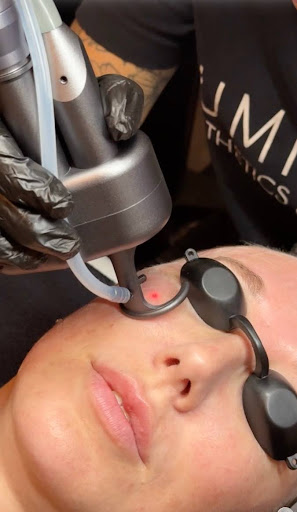
Who Benefits Most from Laser Resurfacing in 2026?
Laser resurfacing has expanded far beyond high-intensity treatments for mature skin. In 2026, these procedures are becoming integral to long-term skin health for a wide range of patients, especially those navigating:
- Acne scars or uneven skin texture
- Sun damage, melasma, or dark spots
- Laxity along the cheeks or jawline
- Fine lines around the eyes and mouth
- Dull or dehydrated skin that needs revitalization
Our approach is guided by the Fitzpatrick skin typing scale, allowing us to adapt energy levels and modalities for all skin tones, including those historically underserved in laser care. Whether addressing early signs of aging in your 30s or enhancing collagen density in your 50s, laser resurfacing is an empowering way to invest in skin longevity. Pairing resurfacing with collagen-boosting treatments such as RF microneedling or PRF injections can further enhance results in a synergistic plan.
What to Expect: Collagen Remodeling, Recovery, and Results
Laser resurfacing works by creating controlled micro-injuries that signal the body to repair and rebuild. This healing cascade initiates new collagen and elastin production, leading to firmer, more even-toned skin over time.
Initial Phase (Days 1–7)
Most patients experience mild redness and light peeling as the upper skin layers begin to shed. This is a normal part of the renewal process. With Er:YAG laser, many clients are able to resume normal activities within 3–5 days.
Mid Phase (Weeks 2–6)
As dermal remodeling continues beneath the surface, skin feels smoother and appears brighter. Pigmented areas begin to fade, and pore size is often visibly reduced.
Final Phase (Months 3–6)
The full effect of collagen regeneration becomes more noticeable. Fine lines soften, and the skin feels firmer and more supple. Unlike superficial treatments, laser resurfacing delivers results that continue evolving long after the initial session.
Our team offers detailed post-care guidance, including what to avoid (e.g., retinoids, unprotected sun exposure) and how to support healing with medical-grade skincare and hydration.
Is Laser Skin Resurfacing Worth It in 2026?
Laser resurfacing remains one of the most clinically proven methods for skin rejuvenation, especially when performed under the guidance of licensed medical professionals. Patients today are looking for outcomes that feel empowering and long-lasting: improved skin texture, reduced scarring, fewer lines, and enhanced glow without the telltale signs of overt treatment.
At Luminare, each resurfacing session is built around a consultation-first model. This ensures we not only select the right device, but also consider underlying factors like hormonal changes, pigmentation patterns, and previous skincare history. The return on investment goes far beyond aesthetics; it’s a commitment to long-term skin vitality, supported by ethical care and precision technique.
Trending Tech in 2026: What’s New in Laser Rejuvenation
Laser technology in 2026 is being shaped by next-generation devices designed to maximize skin renewal while minimizing disruption to your daily life. These advancements are built on the foundation of collagen remodeling and fractional energy delivery, now enhanced by AI-guided pulses, cooling features, and multi-layer targeting.
Here are a few technologies capturing attention this year:
UltraClear™ with Laser-Coring™
A non-surgical alternative to a mini facelift, UltraClear™ uses Laser-Coring™ to stimulate deep collagen production by precisely removing micro-columns of damaged tissue. This technique supports skin tightening and texture smoothing without extended downtime.
3DMIRACL™ Laser System
Designed for layered rejuvenation, 3DMIRACL™ offers customizable settings for pigment correction, pore refinement, and wrinkle softening. It’s an excellent choice for patients with both surface-level and mid-dermal concerns.
PicoSure® and Picosecond Lasers
These devices use ultrafast energy bursts to break apart pigment clusters while also encouraging dermal regeneration. PicoSure® has become especially effective for melasma, dark spots, and resistant pigmentation.
CoolPeel™ CO₂ Treatments
CoolPeel™ delivers fractional CO₂ resurfacing in a gentler form, ideal for those seeking the benefits of deeper exfoliation and collagen stimulation with a faster return to makeup, work, and everyday activities.
While these innovations are expanding options nationwide, our focus at Luminare remains rooted in what’s safe, predictable, and effective. That’s why Er:YAG laser resurfacing continues to be a core offering, particularly for sensitive skin types or patients who want radiant results without significant downtime.
Luminare’s Clinical Approach: Safe, Natural, Nurse-Led
At Luminare, every treatment is performed by a highly trained team of certified nurse injectors, nurse practitioners, and licensed aestheticians. Our laser services aren’t one-size-fits-all; they’re part of a holistic skin health journey, starting with in-depth consultation and personalized planning.
Our Er:YAG devices are chosen for their FDA-cleared safety profile, water-based energy delivery, and ability to treat a wide range of concerns from fine lines to pitted acne scars. We adjust laser strength, depth, and pulse frequency based on your unique skin goals, medical history, and lifestyle.
Most importantly, rejuvenation should feel like you’ve elevated. That means natural-looking results, skin that glows without filters, and care that builds confidence from within. With locations in Blue Springs, Liberty, Raymore, and Olathe, Luminare makes it easier than ever to access expert-led care backed by clinical integrity.
For clients pairing resurfacing with hormone optimization or nutrition counseling, our team also provides integrated plans that support skin health from the inside out, a signature part of our results-driven philosophy.
Schedule Your Laser Resurfacing Consultation Today
In 2026, laser resurfacing isn’t about aggressive treatments or drastic changes; it’s about science-backed rejuvenation that fits your skin’s needs and your lifestyle. At Luminare Aesthetics & Wellness, we use the latest Er:YAG laser platforms to help you restore firmness, refine texture, and reveal brighter, more youthful skin with the guidance of licensed experts.
Ready to experience skin that glows from within? Book a consultation with our team today and discover how modern laser rejuvenation can elevate your skin health journey.
Frequently Asked Questions (FAQs)
What is the difference between CO₂ and Er:YAG lasers?
CO₂ lasers penetrate deeper and are ideal for deeper wrinkles or advanced photodamage. Er:YAG lasers are more water-absorbent, offering precision with less heat, making them better suited for sensitive skin, subtle texture concerns, or patients needing a faster recovery.
Is laser resurfacing helpful for acne scars?
Yes. Both CO₂ and Er:YAG lasers are used to remodel the skin and smooth uneven texture left by acne scarring. The energy delivered breaks down damaged tissue and encourages new collagen formation in its place.
How long does it take to recover from a fractional CO₂ laser?
Most CO₂ laser patients can expect 7 to 14 days of visible redness, peeling, and sun sensitivity. Healing varies by depth of treatment and skin type, but Er:YAG typically offers a shorter recovery window of 3 to 5 days.
Does laser skin rejuvenation actually boost collagen?
It does. Laser resurfacing works by triggering the body’s natural wound-healing response, which includes new collagen and elastin production. These proteins improve firmness, elasticity, and skin density over time.
Who is not a good candidate for laser resurfacing?
Patients with active breakouts, certain autoimmune conditions, recent sunburns, or those who have taken isotretinoin (Accutane) within the past six months may not be candidates. A thorough consultation with our medical team ensures safety and optimal timing.
What’s new in wrinkle treatment using lasers in 2026?
Lasers like UltraClear™ and CoolPeel™ are offering wrinkle-softening benefits without the intense downtime of traditional CO₂ devices. These tools stimulate collagen gently while targeting surface creases and textural inconsistencies.