
Everyone wants that unmistakable glow—the kind of luminous, even-toned skin that seems to reflect light naturally. Yet, with so many rejuvenation treatments available, it’s easy to feel overwhelmed by the options. Two of the most sought-after methods—IPL photofacial and chemical peels—promise to refresh, restore, and renew. But how do they truly compare?
Here’s a little-known fact: while both treatments aim to rejuvenate the skin, they do it in completely different ways. One works from within, using pulses of light energy to stimulate cellular repair, while the other resurfaces the outer layers, promoting regeneration from the surface down. Understanding these differences can help you make the best choice for your skin’s unique needs.
At Luminare Aesthetics & Wellness, both intense pulsed light therapy (IPL) and chemical peels are customized for your skin type, tone, and goals—so you never have to choose between science and luxury.
Whether you’re targeting fine lines, acne scars, or uneven pigmentation, these treatments offer distinct benefits that can work beautifully on their own or as part of a comprehensive rejuvenation plan.
Dive deeper to explore what makes each treatment special—and why IPL may be the breakthrough your skin has been waiting for.
What Is IPL?
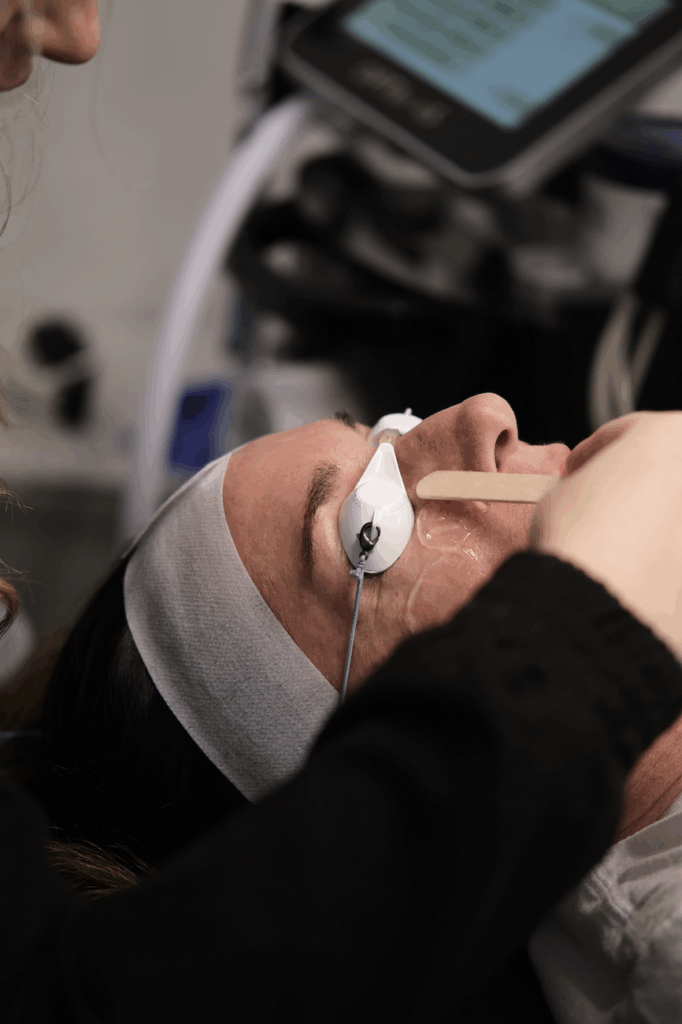
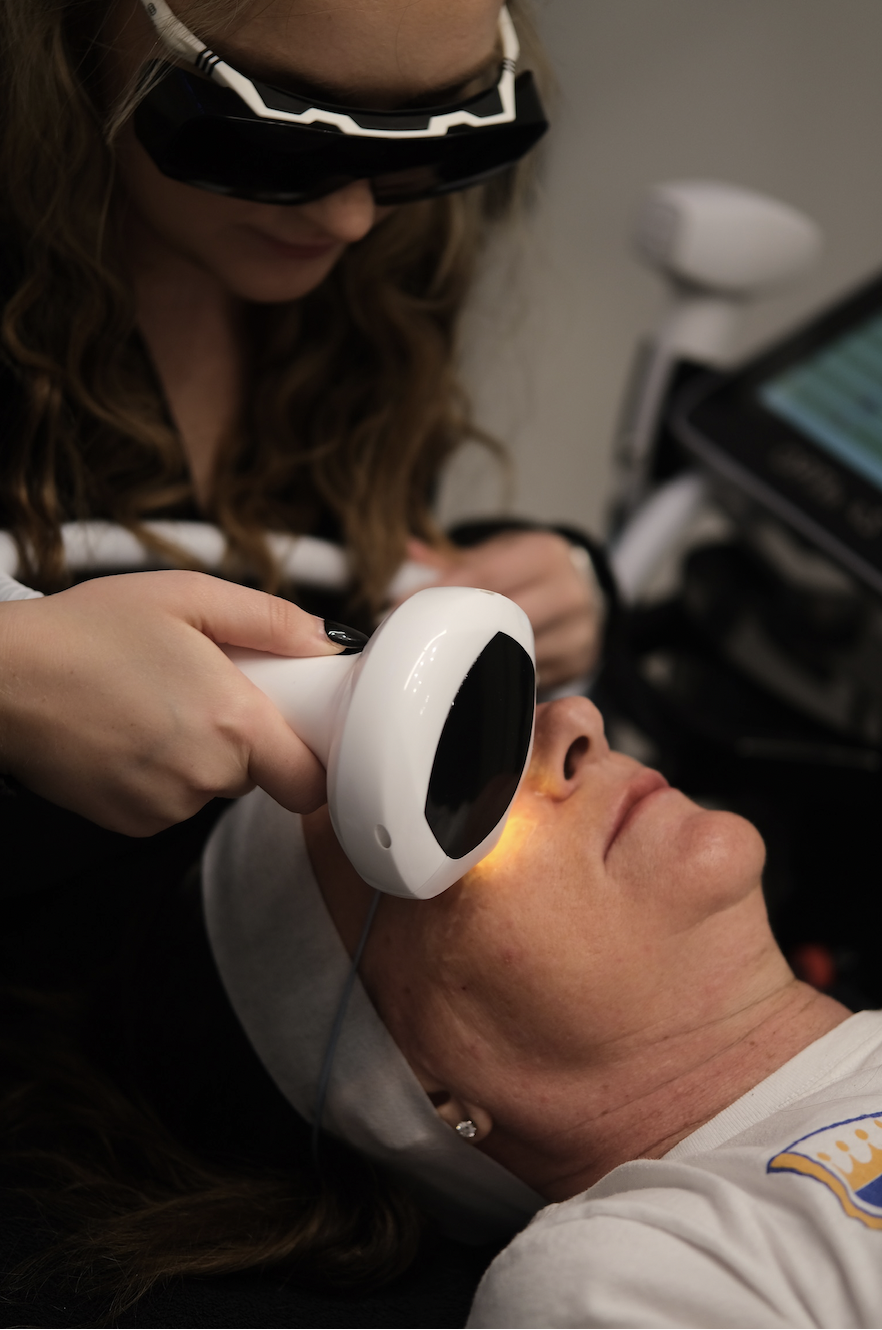
IPL (Intense Pulsed Light) is a non-invasive technology that uses light energy to treat a variety of skin concerns. Unlike traditional lasers, which target a single wavelength of light, IPL uses broad-spectrum light pulses that penetrate the skin at multiple depths. This versatility allows it to address issues like pigmentation, redness, sun damage, and even acne simultaneously.
The treatment works by delivering precise bursts of light to the skin. These light pulses are absorbed by pigment (melanin) and blood vessels beneath the surface, which causes the targeted cells to heat up and break down. The body’s natural healing process then clears away these damaged cells, revealing newer, healthier skin.
Some of the most common benefits of IPL photofacial treatments include:
- Reduced pigmentation and sun spots: Ideal for sun-damaged skin and uneven tone.
- Improved vascular issues: Helps diminish redness, broken capillaries, and rosacea.
- Smoother texture: Stimulates collagen to reduce fine lines and improve elasticity.
- Minimized acne and scarring: The light energy can target acne-causing bacteria and fade post-acne marks.
The Lumecca IPL technology at Luminare Aesthetics & Wellness delivers exceptional precision and intensity, producing faster, more dramatic results with fewer sessions than standard IPL devices. It’s a favorite among patients seeking skin rejuvenation IPL that feels gentle yet powerful.
Best of all, IPL is suitable for most skin types and requires minimal downtime—making it an elegant choice for modern rejuvenation that fits seamlessly into your lifestyle.
What Are Chemical Peels?
While IPL works with light, chemical peels rejuvenate through a process of controlled exfoliation. During a chemical peel, a customized solution—containing acids like glycolic, salicylic, lactic, or trichloroacetic acid (TCA)—is applied to the skin. These ingredients work to dissolve the bonds between dead surface cells, allowing them to shed naturally.
As the old, damaged layer peels away, fresh, radiant skin emerges underneath. Depending on the depth of the peel, results can range from a subtle refresh to a complete resurfacing.
Chemical peels are typically categorized by their intensity:
- Light peels: Gently exfoliate and brighten, ideal for routine maintenance.
- Medium peels: Target fine lines, mild sun damage, and uneven tone.
- Deep peels: Address advanced wrinkles, significant pigmentation, and texture irregularities.
The result? Smoother texture, improved clarity, and a renewed complexion. Peels are particularly effective for patients who want to improve surface-level imperfections or prepare the skin for other treatments.
However, while chemical peels can deliver impressive results, they often require downtime, especially with medium and deep formulations. Redness, peeling, and temporary sensitivity are common as the skin regenerates.
The Shared Goal: Skin Rejuvenation
Both IPL and chemical peels share the same ultimate goal: to restore youthful, glowing skin. But their approaches—and the layers of skin they target—set them apart.
Think of it this way:
- Chemical peels refine the surface of your skin by exfoliating damaged outer layers.
- IPL photofacial treatments work beneath the surface, using light to stimulate healing and collagen production at deeper levels.
Because they target different layers, many patients actually benefit from a combination of the two. A light chemical peel can prep the skin and enhance the effects of IPL, leading to even more radiant, balanced results.
Let’s explore what makes each approach uniquely beneficial—and why IPL often stands out for patients seeking long-term transformation.
The Benefits of IPL and Chemical Peels
Both treatments offer incredible benefits when performed by skilled professionals. Here’s how each one contributes to smoother, clearer, and more youthful-looking skin.
1. Targeting Sun Damage and Pigmentation
Few things age the skin faster than sun exposure. Over time, UV rays cause hyperpigmentation, freckles, and age spots that dull your complexion.
IPL for sun damage is exceptionally effective because it targets pigment beneath the skin’s surface without disrupting the top layer. The light energy breaks apart clusters of melanin, allowing them to rise to the surface and flake off naturally. Within days, the skin looks more even-toned and luminous.
Chemical peels, on the other hand, treat pigmentation by exfoliating away the uppermost layers of skin that hold discoloration. Superficial peels can brighten minor dark spots, while medium or deep peels can correct more stubborn pigmentation issues like melasma.
Both treatments can dramatically improve uneven tone—but IPL tends to deliver longer-lasting clarity by addressing discoloration at its root.

2. Reducing Redness and Rosacea
For patients struggling with redness, visible capillaries, or rosacea, IPL rosacea treatment offers gentle yet powerful relief. The broad-spectrum light energy targets hemoglobin in the blood vessels, causing them to collapse and fade over time.
Chemical peels, while excellent for texture and tone, are not typically recommended for rosacea-prone skin, as the acids can increase sensitivity. This is one area where IPL clearly shines, offering calm, balanced results without irritation.
3. Improving Skin Texture and Firmness
If your concern is dullness or lack of elasticity, both treatments can deliver smoother, firmer skin—but through very different mechanisms.
Chemical peels resurface the skin, removing roughness and improving texture almost instantly. As the skin heals, new cells emerge, and the surface becomes more refined.
Meanwhile, IPL treatment for pigmentation and texture goes deeper—stimulating collagen and elastin production to rebuild structure from within. Over several sessions, patients often notice firmer contours, reduced fine lines, and a more youthful appearance overall.
While peels provide faster surface improvements, IPL’s collagen-boosting effect offers progressive tightening that lasts long after your final session.
4. Addressing Acne and Acne Scars
Acne can leave behind two battles: active breakouts and the scars they create. IPL for acne scars tackles both issues at once. The light energy kills acne-causing bacteria while minimizing the redness and pigmentation left behind by past breakouts.
Chemical peels—particularly those containing salicylic acid—help unclog pores, reduce oil production, and exfoliate dead cells, making them ideal for active acne management. Over time, peels can soften shallow acne scars and smooth uneven skin tone.
The best approach often involves alternating between treatments: peels for managing acne and IPL for long-term scar and redness reduction. Together, they create a clearer, calmer complexion that looks refined and balanced.
5. Customization for Different Skin Types
At Luminare Aesthetics & Wellness, personalization is at the heart of every treatment plan. Both IPL and chemical peels can be customized to suit your skin type, tone, and lifestyle.
For example:
- IPL photofacial sessions can be adjusted for lighter or darker complexions, targeting specific wavelengths to achieve optimal safety and effectiveness.
- Chemical peels can be formulated in varying strengths—from gentle enzyme blends to advanced TCA solutions—to meet your comfort level and goals.
However, IPL offers an advantage for patients seeking minimal downtime. Most people experience only mild redness for a few hours, compared to the peeling and flaking that can accompany chemical exfoliation.
Elevate Your Glow This Season
Radiant skin isn’t just about what you see in the mirror—it’s how you feel when you step into the light. Whether you’re drawn to the transformative power of IPL for sun damage and pigmentation or the surface-smoothing elegance of chemical peels, your path to rejuvenation begins with expert care.
At Luminare Aesthetics & Wellness in Liberty, Blue Springs, Raymore, MO, and Olathe, KS, every treatment is a step toward timeless beauty and self-assured confidence.
Call (816) 272-1477 to schedule your consultation today, and discover how personalized skin rejuvenation IPL and chemical peels can unveil your most luminous, youthful skin yet!