

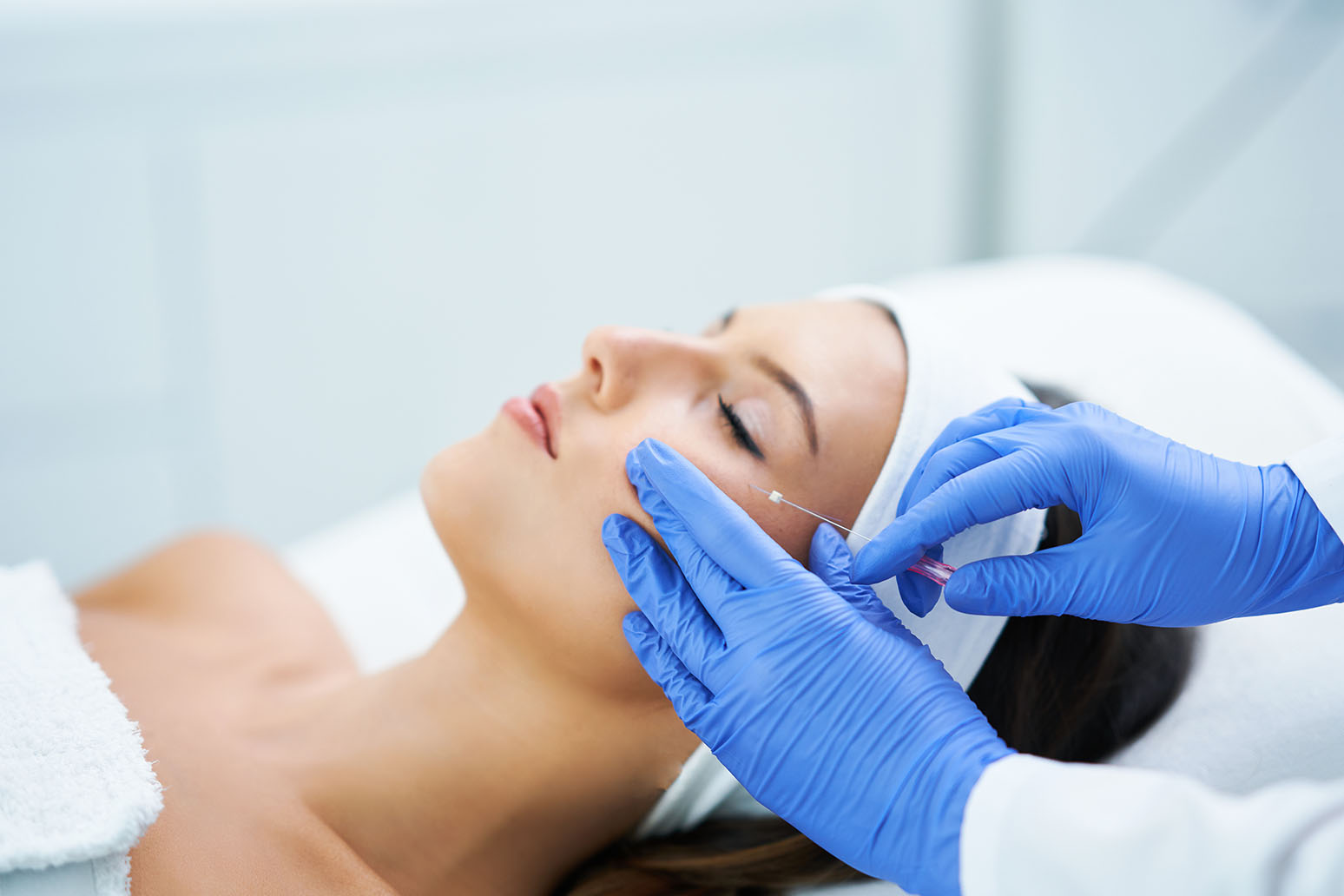
A PDO thread lift is a refined, non-surgical approach to facial rejuvenation that lifts and contours the skin while stimulating collagen production. At Luminare Aesthetics & Wellness, this treatment is performed by licensed medical professionals using polydioxanone (PDO) threads, biodegradable sutures that provide immediate lifting with long-term collagen benefits.
While the treatment itself is minimally invasive, the way you care for your skin before and after can greatly influence your comfort, results, and recovery. In this guide, we’ll explore the most important habits to avoid both before and after your thread lift, ensuring your journey toward rejuvenation is smooth, supported, and successful.
What Are PDO Threads and How Do They Work?
Polydioxanone threads are advanced, dissolvable sutures placed beneath the skin to create a subtle lift and stimulate your body’s natural collagen response. These threads are strategically inserted to reposition facial tissues and strengthen the skin’s structure over time.
There are two main types used in aesthetic medicine:
- Lifting Threads – designed with small barbs to anchor and elevate sagging tissue.
- Smooth Threads – placed in a mesh-like pattern to support collagen stimulation in areas needing subtle rejuvenation.
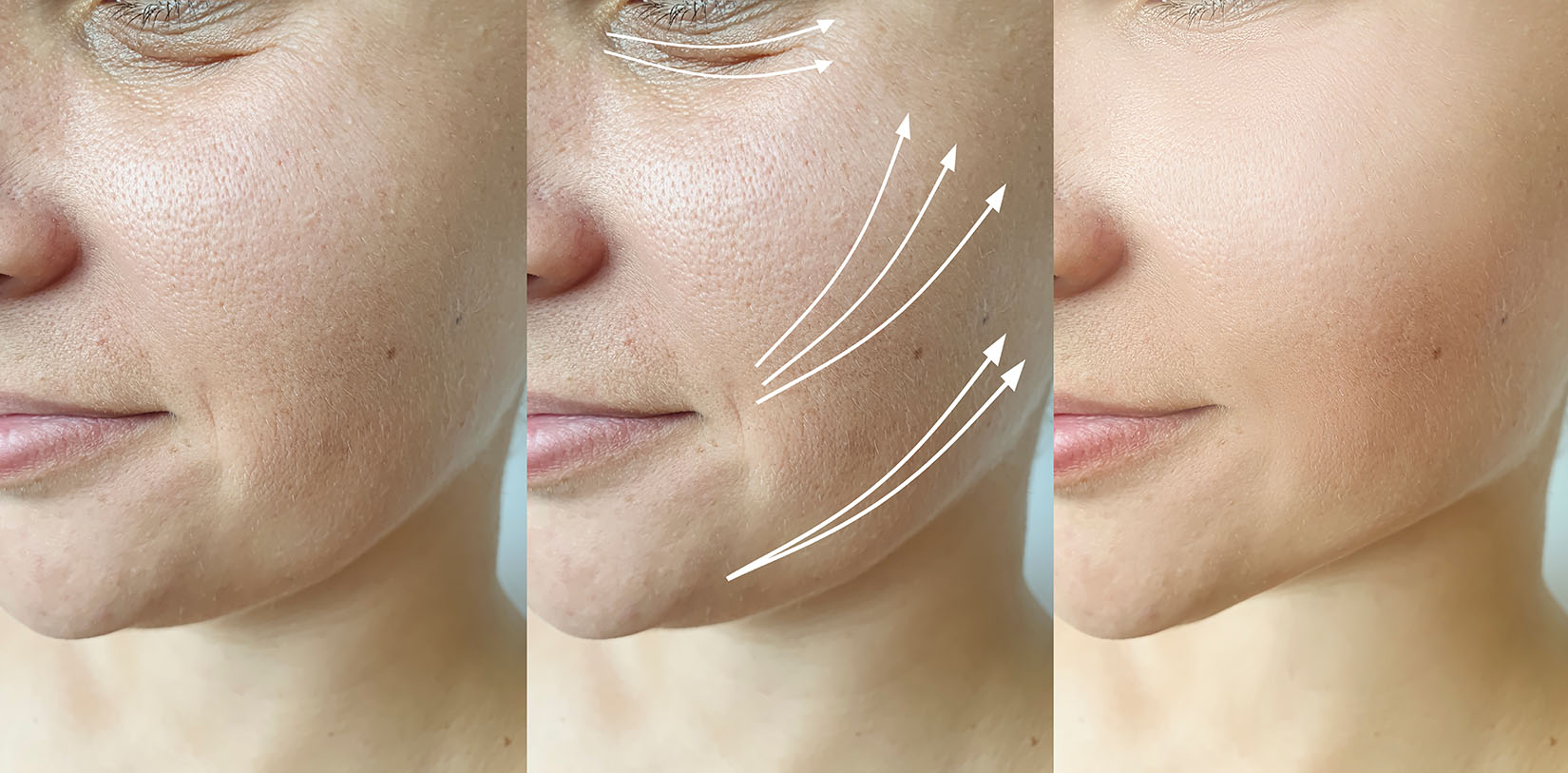
Because PDO threads gradually dissolve over several months, they leave behind firmer, more youthful-looking skin without adding volume or requiring downtime. This technique is often referred to as a non-surgical facelift and is especially popular among those seeking natural-looking refinement around the jawline, cheeks, brows, or neck.
What Not to Do Before a PDO Thread Lift
Thoughtful preparation makes a noticeable difference in your treatment experience. The days leading up to your thread lift are an ideal time to support your skin, regulate inflammation, and minimize the risk of bruising or swelling. Here’s what to avoid:
1. Skip blood-thinning medications and supplements
Non-steroidal anti-inflammatory drugs (NSAIDs) like aspirin, ibuprofen, or naproxen can increase your chance of bruising. The same is true for supplements such as fish oil, Vitamin E, and St. John’s Wort. Always consult your prescribing physician before making changes to any medications.
2. Avoid alcohol for 24 to 72 hours
Alcohol increases blood flow and can contribute to swelling, flushing, or delayed healing. For optimal results, it’s helpful to eliminate alcohol in the days before your appointment.
3. Refrain from smoking or vaping
Nicotine affects oxygenation and slows the body’s healing response. Discontinuing tobacco use for at least one to two weeks before your thread lift supports healthier skin and collagen function.
4. Pause harsh skincare products
Active ingredients like retinols, glycolic acid, and salicylic acid can leave the skin more reactive or sensitive. Shift to a gentle, non-exfoliating routine at least two days before treatment.
5. Keep your skin calm and clean
Avoid facials, waxing, and tanning in the week prior. On the day of your appointment, arrive with a clean, makeup-free face to reduce any chance of irritation or infection.
What Not to Do After a PDO Thread Lift
After your treatment, your skin needs time to settle and begin the collagen-building process. Protecting the threads and minimizing inflammation allows the best possible outcome. Here’s what to avoid during your recovery:
1. Don’t touch, rub, or massage the treated area
Even gentle pressure can interfere with thread placement. Avoid facials, lymphatic drainage, or any skincare treatments for at least two weeks unless cleared by your provider.
2. Skip strenuous activity
Workouts that increase blood pressure or involve bending over, such as weightlifting, hot yoga, or cardio, can exacerbate swelling and disrupt healing. Light walking is fine, but high-impact activity should wait at least five to seven days.
3. Avoid intense facial movements
Excessive smiling, wide yawning, chewing gum, or eating tough foods can strain the treated areas. Soft, easy-to-chew meals are recommended for the first several days.
4. Sleep on your back with your head elevated
Side or stomach sleeping can cause asymmetry or displace threads. A supportive pillow or wedge can make this more comfortable for the first 7–10 days.
5. Steer clear of high heat and active skincare
Avoid saunas, hot tubs, steam rooms, and long hot showers. In addition, press pause on retinoids, exfoliants, or serums with acids for one full week.
Why Pre- and Post-Care Guidelines Matter
Every PDO thread lift is a delicate process of repositioning tissue while activating new collagen beneath the surface. By minimizing inflammation and avoiding unnecessary tension or trauma, you’re supporting the integrity of those threads and the rejuvenation process they trigger.
Consistent care also reduces the chance of complications such as bruising, swelling, or asymmetry, and helps the threads stay in place as your skin adjusts to its lifted position. When combined with the expert placement techniques used at Luminare, your adherence to pre- and post-care gives the treatment the best chance to deliver subtle, natural-looking results that age beautifully over time.
Smooth vs. Lifting Threads: Does Aftercare Differ?
Yes, the type of thread used during your treatment can influence the level of aftercare required. At Luminare, your provider will choose between smooth or lifting (barbed) threads or a combination based on your skin’s structure and your aesthetic goals.
Smooth Threads
These threads are placed more superficially and are used to encourage collagen production without mechanical lifting. Downtime is generally shorter, and most clients experience only mild swelling or tightness for a day or two.
Lifting Threads
Lifting threads are inserted deeper and contain tiny barbs that grip the tissue to reposition and elevate sagging skin. Because of this added tension and lifting force, aftercare is more involved. Clients should be especially cautious with facial movements, sleep positioning, and skincare routines during the first 10–14 days to prevent thread migration or asymmetry.
If you’re unsure which thread type is right for you, your provider will guide you through a personalized consultation based on your skin health, facial anatomy, and goals.
Who Should (or Shouldn’t) Get a PDO Thread Lift?
PDO threads are ideal for clients looking to address early signs of aging without the downtime of surgery. You may be a good candidate if you:
- Are between the ages of 30 and 55
- Have mild to moderate skin laxity (especially in the cheeks, jawline, or neck)
- Want to enhance facial contour without adding volume
- Prefer gradual, natural-looking rejuvenation
- Are committed to following pre- and post-treatment guidelines
Not ideal for:
- Individuals with severe sagging or heavy jowls
- Those with active acne, infections, or inflammatory skin conditions
- Clients with bleeding disorders or on blood-thinning medications (unless cleared by a physician)
- Anyone who is pregnant or breastfeeding
Every PDO thread lift at Luminare is performed by a licensed nurse injector or nurse practitioner, and includes a detailed consultation to ensure safety, comfort, and personalized results.
Final Tips for a Safe & Effective Recovery
Supporting your skin from the inside out can make all the difference in how your results develop over time. Here are a few final recovery tips:
- Stay hydrated — Drinking plenty of water supports tissue repair and collagen synthesis.
- Eat nutrient-rich foods — A diet high in vitamin C, healthy fats, and lean proteins can enhance your skin’s healing process.
- Avoid smoking and alcohol — These reduce oxygen flow to the skin and slow down regeneration.
- Use gentle, hydrating skincare — Choose fragrance-free cleansers and moisturizers for the first week.
- Shield your skin from the sun — Apply a light SPF daily and avoid tanning to protect your results.
Most importantly, attend your follow-up appointments so your provider can assess healing, answer questions, and guide your maintenance plan.
Ready to Begin Your Rejuvenation Journey?
At Luminare Aesthetics & Wellness, every PDO thread lift is delivered with clinical precision and a deep commitment to natural beauty. Our team of licensed nurse injectors uses advanced, FDA-cleared threads to elevate your look without surgery, and without compromise.
If you’re ready for a subtle lift that inspires lasting confidence, we invite you to book a Visit at one of our Missouri or Kansas locations.
Frequently Asked Questions
Can I get Botox or fillers after a PDO thread lift?
It’s best to wait at least 2 weeks before receiving neuromodulators like Botox or dermal fillers after a thread lift. This allows swelling to subside and helps your injector assess your facial symmetry before layering treatments.
What are the signs that I should contact my provider after PDO threads?
Mild swelling, tightness, or bruising are normal. However, if you experience persistent pain, visible thread extrusion, skin dimpling, or signs of infection (such as redness or pus), contact your provider immediately for follow-up care.
Can PDO threads be used on areas other than the face?
Yes. While most popular for the jawline, cheeks, and brows, PDO threads can also improve skin laxity on the neck, knees, abdomen, and décolleté. Your provider can recommend areas based on your skin’s needs.
Should I avoid sleeping on a certain side after a thread lift?
Yes. Sleeping on your back with your head slightly elevated helps reduce pressure and prevent thread displacement. Avoid sleeping on your side or stomach for 7 to 10 days, especially with lifting threads.
Can I take Arnica or Bromelain to help with bruising?
Yes, many clients take Arnica montana or Bromelain supplements before and after their procedure to help reduce swelling and bruising. Always check with your provider before adding any supplement to your routine.